Why trek the Sa Pa terraces
Why trek the Sa Pa terraces
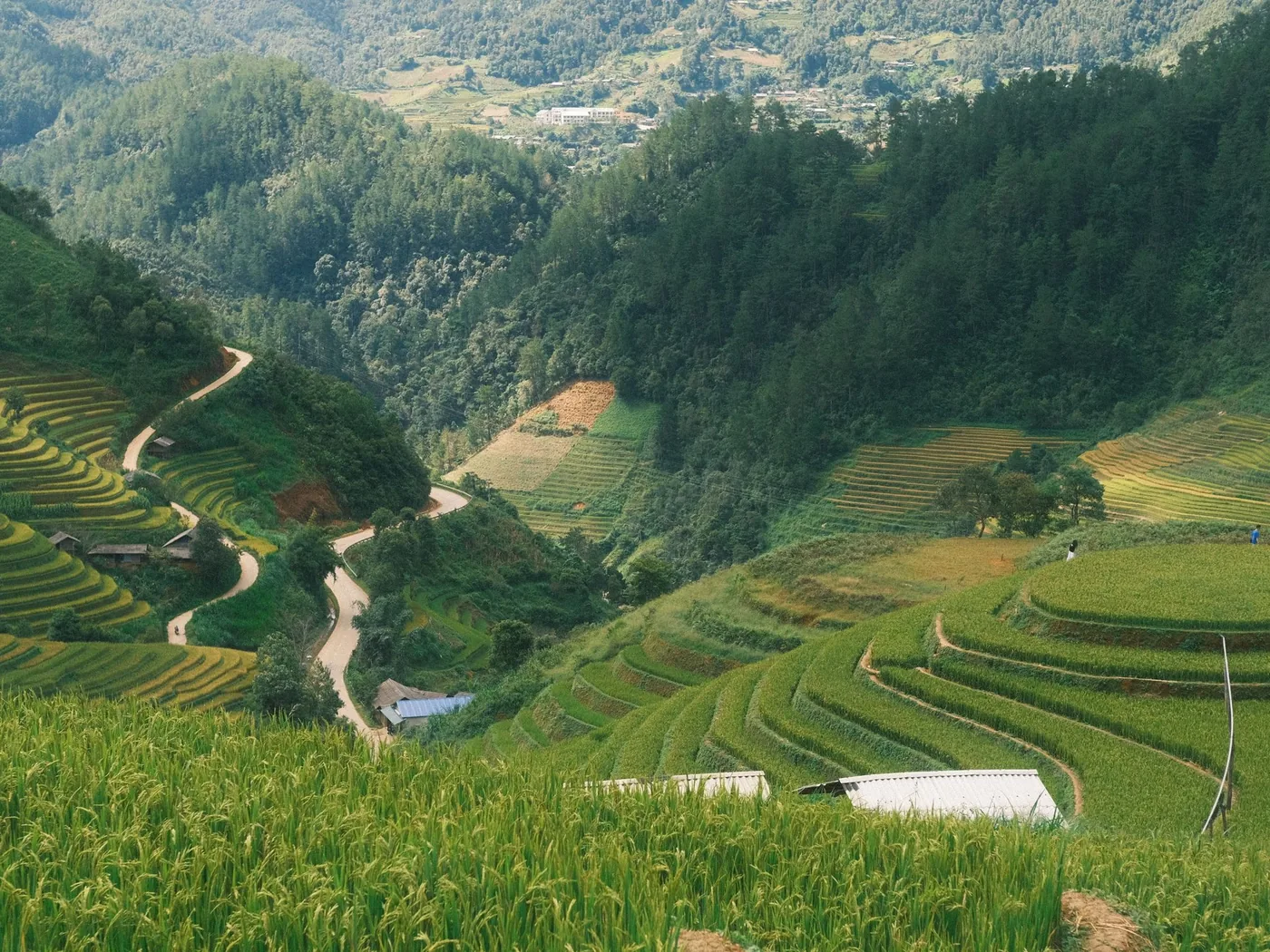
Rice terraces carved into the mountains
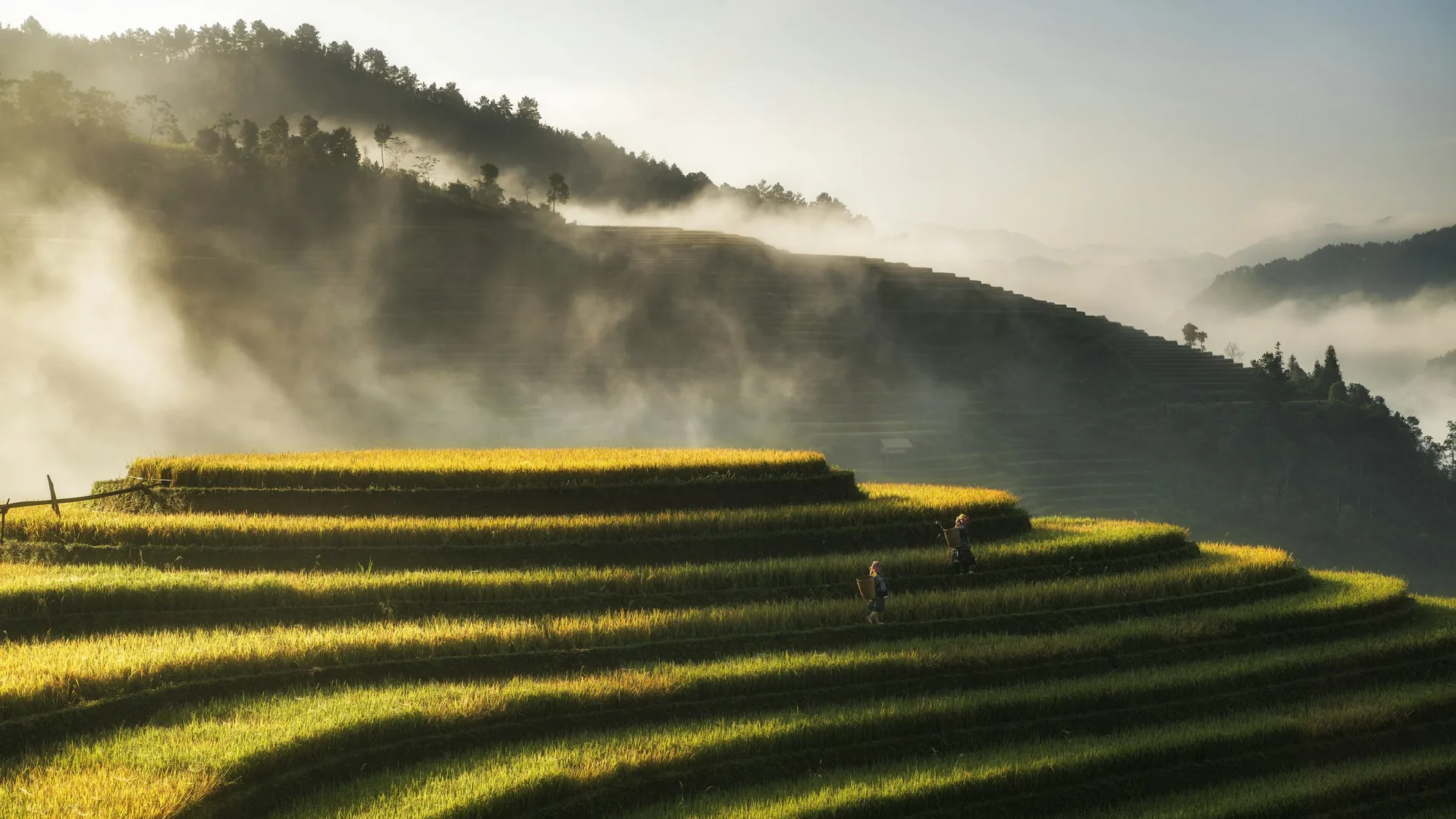
The Muong Hoa valley below Sa Pa is one of northern Vietnam's most striking landscapes — centuries of terraced paddies stepping down steep mountainsides, farmed by hand much as they always have been. Walking through them, rather than viewing them from a road, is the only way to feel their scale.
Villages, not just views
The trail threads through Black Hmong and Giay hamlets — Lao Chai, Ta Van, Y Linh Ho among them — where a local guide can explain how the terraces are worked, what's growing and when, and daily life in the valley. It's a working landscape, not a lookout point.
A proper day on foot
This is a real trek, not a stroll: roughly 10 km on hill paths that can be steep and muddy after rain, with a guide who knows the route and the villages. It rewards sturdy shoes and a bit of fitness with a day most Sa Pa visitors remember longest.
The trail, village by village
The trail, village by village
The Muong Hoa trek is a single day on foot from Sa Pa town, following the valley through a string of hamlets. Times and order vary by tour, but it usually runs like this.
- 0 km · Sa Pa town
Pickup and the trailhead
A morning meet in Sa Pa town with your guide, a short drive or walk to the trailhead, and a look at the route and what to expect — the terrain, the weather, and roughly how far you'll cover.
- ~2 km · Y Linh Ho
Into the valley
The trail drops off the road and into the Muong Hoa valley proper, the terraces opening out below as you descend past the Black Hmong hamlet of Y Linh Ho. This stretch is often the steepest and, after rain, the muddiest.
- ~5 km · Lao Chai
A village and a break
The trail levels out along the valley floor through Lao Chai, a Black Hmong village among the paddies. A good spot to pause, refill water, and talk with your guide about how the terraces are farmed.
- ~8 km · Ta Van
Lunch among the terraces
Lunch is usually taken in or near Ta Van, a Giay village, often at a local house with terrace views — simple, home-style Vietnamese food and a chance to rest before the final stretch.
- ~10 km · back to Sa Pa
The last stretch and the return
A final section of trail to a pickup point, then a drive back to Sa Pa town — usually arriving mid-to-late afternoon, legs tired and boots muddy, with the terraces well and truly seen from the inside.
The valley & getting there
The valley & getting there
Sa Pa sits in the mountains of Lao Cai province — here's what to know about the terrain and reaching it.
A mountain valley, not a flat walk
The Muong Hoa valley drops steeply below Sa Pa town, and the trail follows old paths between rice terraces, streams and village lanes. Expect uneven, sometimes muddy ground, short steep sections, and river crossings on simple footbridges — this is a genuine hike, not a paved path.
Black Hmong and Giay villages
The valley is home to several ethnic-minority communities, most visibly the Black Hmong and Giay, who farm the terraces and whose villages the trail passes through. A local guide from the area adds real context you won't get walking alone.
Distance and difficulty
Most one-day treks cover around 10 km with some elevation change — moderate rather than extreme, manageable for anyone reasonably fit, but not a casual stroll. Sturdy, closed shoes with grip are essential; trainers work if worn-in, but the ground can be slick after rain.
Getting there from Sa Pa town
Almost everyone treks with a local guide arranged from Sa Pa town, who knows the trail, the river crossings and the villages, and handles the short transfer to and from the trailhead. Walking the valley without a guide is possible but easy to get turned around, and you'd miss the village context.
The Sa Pa terraces, in pictures
The Sa Pa terraces, in pictures
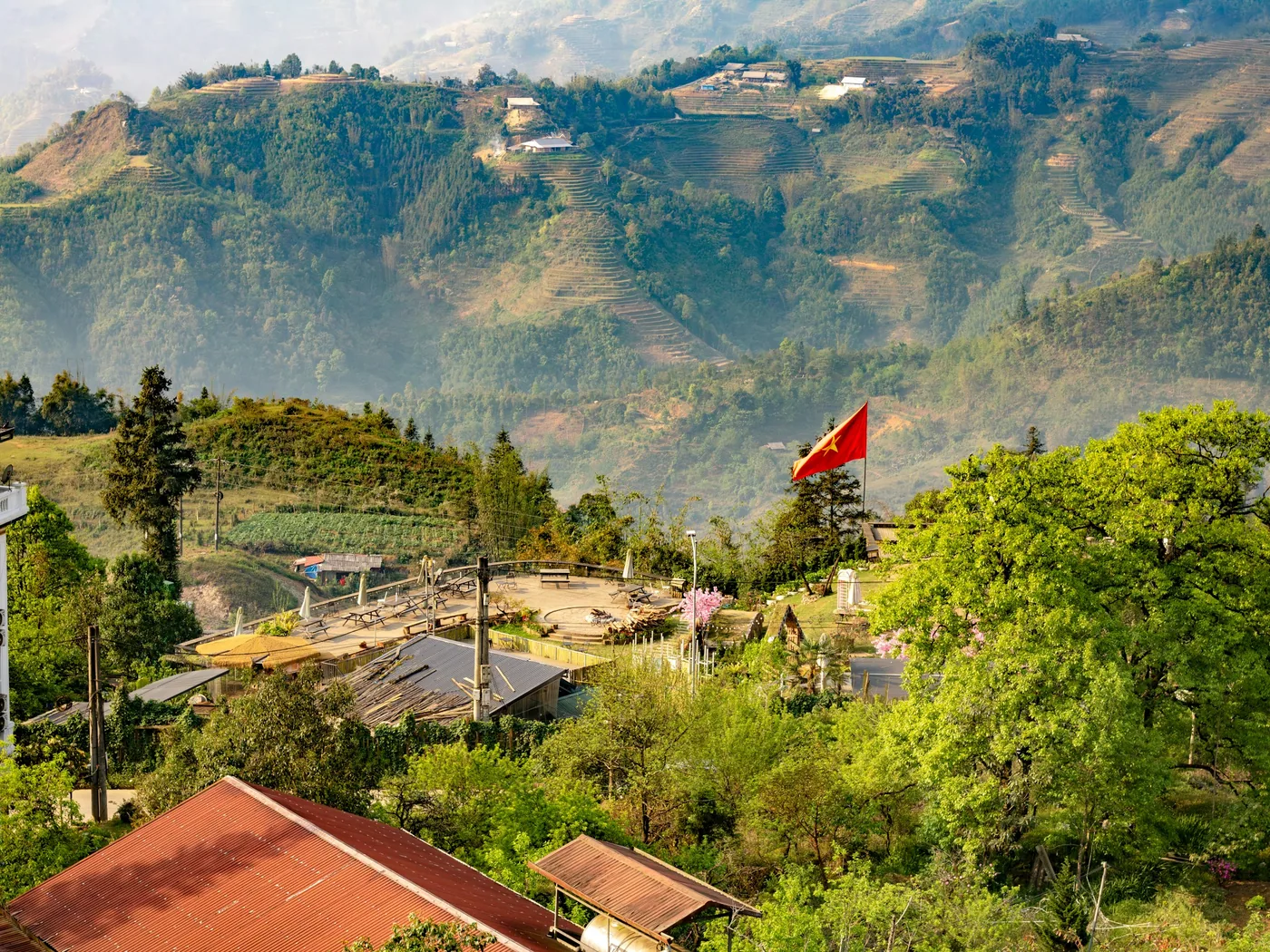
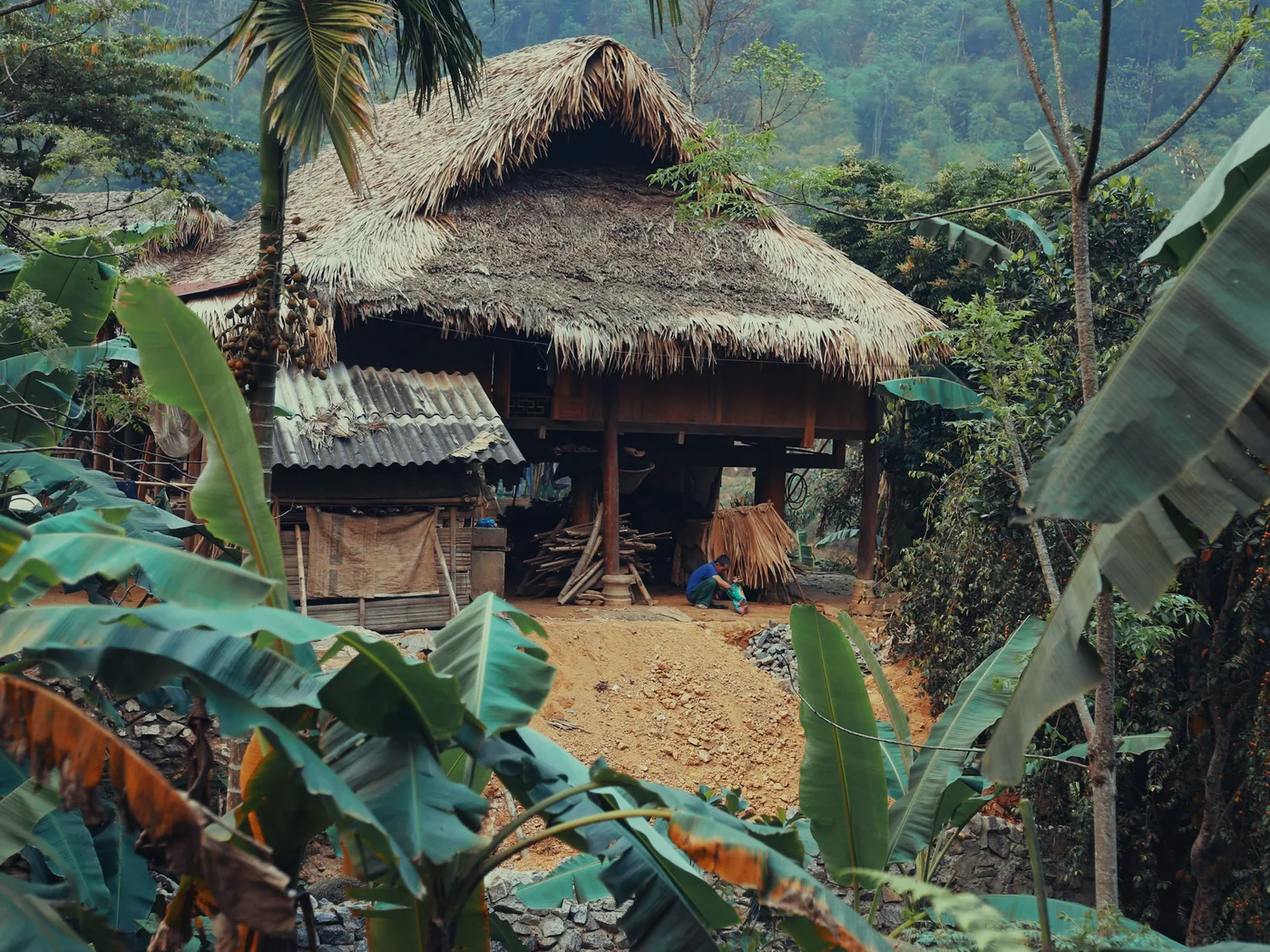
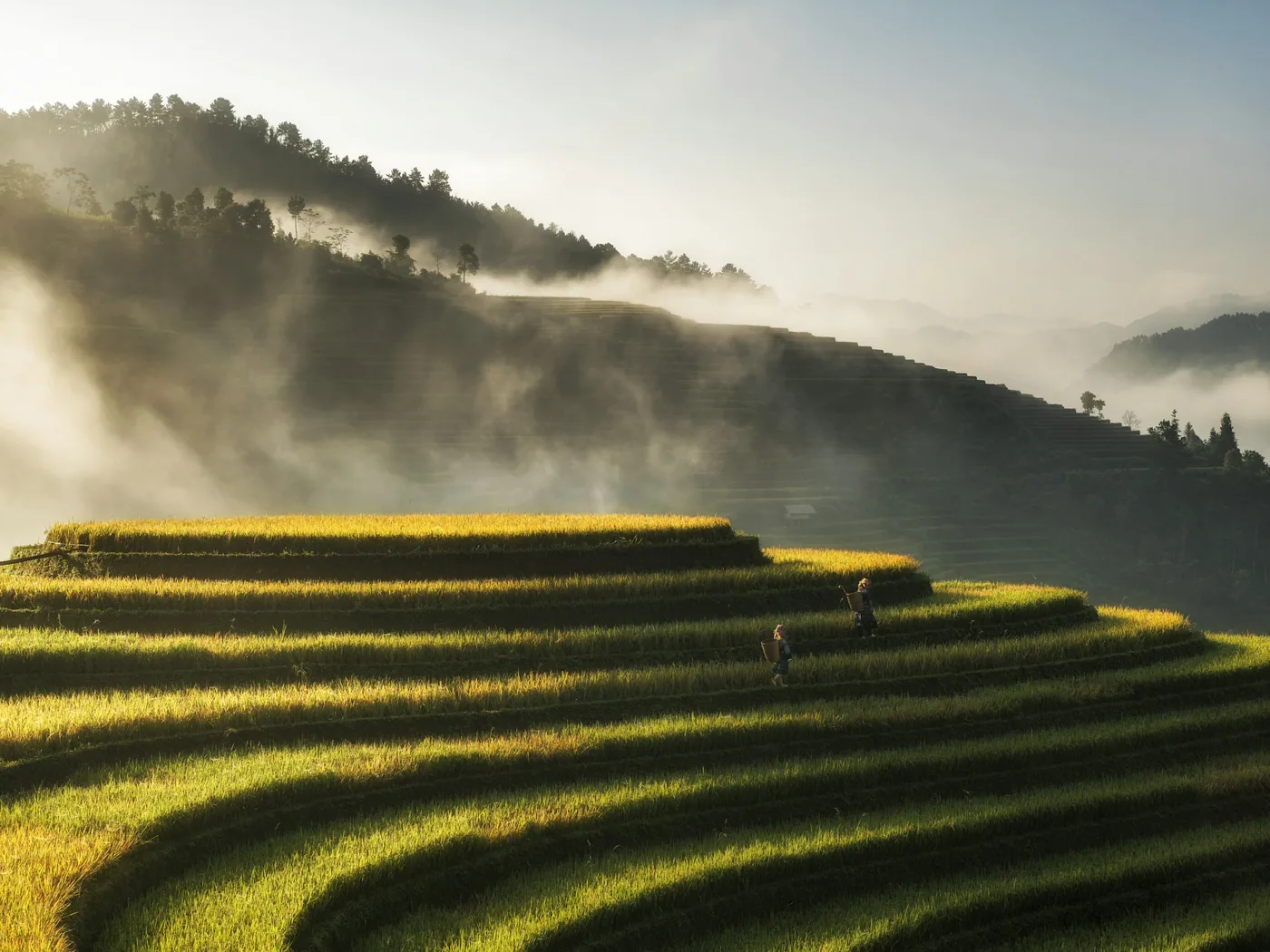
Terraced rice fields, village life and the mountain trail a day here takes in.
Trek options & what's included
Trek options & what's included
| Option | What it includes | Good to know |
|---|---|---|
| Classic one-day trek | Guide, roughly 10 km through Lao Chai, Ta Van and Y Linh Ho, lunch included | The standard, well-tested route and the best starting point |
| Small-group trek | The same route in a small group with a more personal guide | Worth it for a less rushed pace and more time with your guide |
| Private guide | A private local guide, pace set to you, flexible stops | Best for slower walkers, families, or keen photographers |
| Homestay add-on | An overnight in a village home instead of returning same-day | Turns the day trek into a two-day trip; check availability |
Ways to book a Sa Pa trek
Find a Sa Pa rice terrace trek for your dates
Each option below books through GetYourGuide with live availability, and the final price shows in your own currency before you pay.
Planning your trekking day
Planning your trekking day
Wear proper shoes
This is the single most important piece of advice: sturdy, closed, grippy shoes. The trail is dirt and stone paths that turn slick and muddy after rain, with some steep sections and simple footbridges. Trainers with decent tread are the minimum; light hiking shoes are better.
Check the season and pack for mud
The terraces are lush green through summer and turn gold in the short window before the September/October harvest — both beautiful, for different reasons. Rain is possible most months in the mountains, so pack a light rain layer and expect some mud regardless of season.
Go with a local guide
A guide from a valley village — often Black Hmong or Giay themselves — knows the route, the safe river crossings and the right pace, and can explain what you're walking through. It also puts income directly into the communities whose villages the trail passes.
Rate your own fitness honestly
Roughly 10 km on uneven hill paths is moderate, not extreme, but it's a real day of walking with some steep stretches. If you're not a regular walker, ask about shorter or private options when booking, and pace yourself — there's no shame in a slow, steady day.
Booking flexibility
The GetYourGuide listing offers free cancellation up to 24 hours before and often reserve-now-pay-later, so you can hold a place and adjust your plans if the weather forecast changes. The exact terms are shown before you confirm.
Planning a Sa Pa trekking day
Planning a Sa Pa trekking day
FAQ
Sa Pa trekking — your questions
What is the Sa Pa trekking day?
It's a one-day guided trek from Sa Pa town through the Muong Hoa valley's terraced rice fields, passing Black Hmong and Giay villages including Lao Chai, Ta Van and Y Linh Ho. It covers roughly 10 km on hill paths with a local guide, usually including lunch in a village along the way.
How hard is the trail?
Moderate. It's around 10 km on dirt and stone paths with some steep, sometimes muddy sections and simple footbridge river crossings — not a flat walk, but manageable for anyone reasonably fit who takes it steadily. Sturdy, grippy closed shoes are essential; trainers with decent tread work if the weather's dry.
Which villages does the trek pass through?
Most routes take in Y Linh Ho, Lao Chai and Ta Van — home to Black Hmong and Giay communities who farm the surrounding terraces. Exactly which villages and in what order varies slightly by tour, so check the listing for the specific route.
Is lunch included?
On most one-day treks, yes — lunch is typically taken in or near a village along the route, often at a local house with terrace views. Check the listing for exactly what's included, as this varies between tours.
When is the best time to trek?
The terraces are lushest and greenest through summer, and turn a striking gold in the short window before the September/October rice harvest — both are beautiful for different reasons. Rain is possible most of the year in the mountains, so expect some mud whenever you go, and pack accordingly.
What should I wear and bring?
Sturdy, closed shoes with good grip are the most important item — the trail can be steep and slippery after rain. Bring a light rain layer, water, sun protection, and clothes you don't mind getting muddy. Trekking poles help some walkers on the steeper descents.
Can I book with free cancellation?
Yes. The GetYourGuide listing offers free cancellation up to 24 hours before your trek and often a reserve-now-pay-later option, so you can hold a place and adjust your plans if the forecast changes. The exact terms are shown on the listing before you confirm.
Not sure which Sa Pa trek, or how hard the trail is?
Leave your email and roughly when you're travelling — we'll send a short rundown of how the Sa Pa treks compare, how muddy the trail gets, what to wear, and which villages each route passes through.